
Mold Inspection Services in Charlotte, NC
Concealed mold can develop behind walls, beneath flooring, and in crawl spaces where moisture accumulates. Our mold inspections uncover both visible and hidden mold, pinpoint sources of excess moisture, and offer essential insights to safeguard your property. Whether you've experienced water damage or have concerns about a potential mold problem, Elite Team NC delivers comprehensive inspections and trustworthy recommendations throughout the Charlotte metro area.
Why Mold Should Never Be Ignored!
Suspect mold in your Charlotte residence or business? Mold issues are not always apparent right away. Often, concealed mold growth starts behind walls, beneath flooring, within crawl spaces, around windows, or near moisture-prone areas. By the time you notice staining, musty smells, or visible growth, the problem may have already begun to spread.
At Elite Team NC, we understand that mold is often connected to water damage. Roof leaks, plumbing leaks, foundation moisture, past flooding, poor ventilation, and elevated humidity can all create the conditions mold needs to grow. Even a small unresolved moisture problem can lead to bigger concerns over time.
Mold can significantly impact indoor air quality, particularly when spores become airborne or infiltrate HVAC systems. This issue can lead to discomfort, unpleasant odors, and worries about the property's overall state for homeowners, business owners, tenants, and property managers alike.
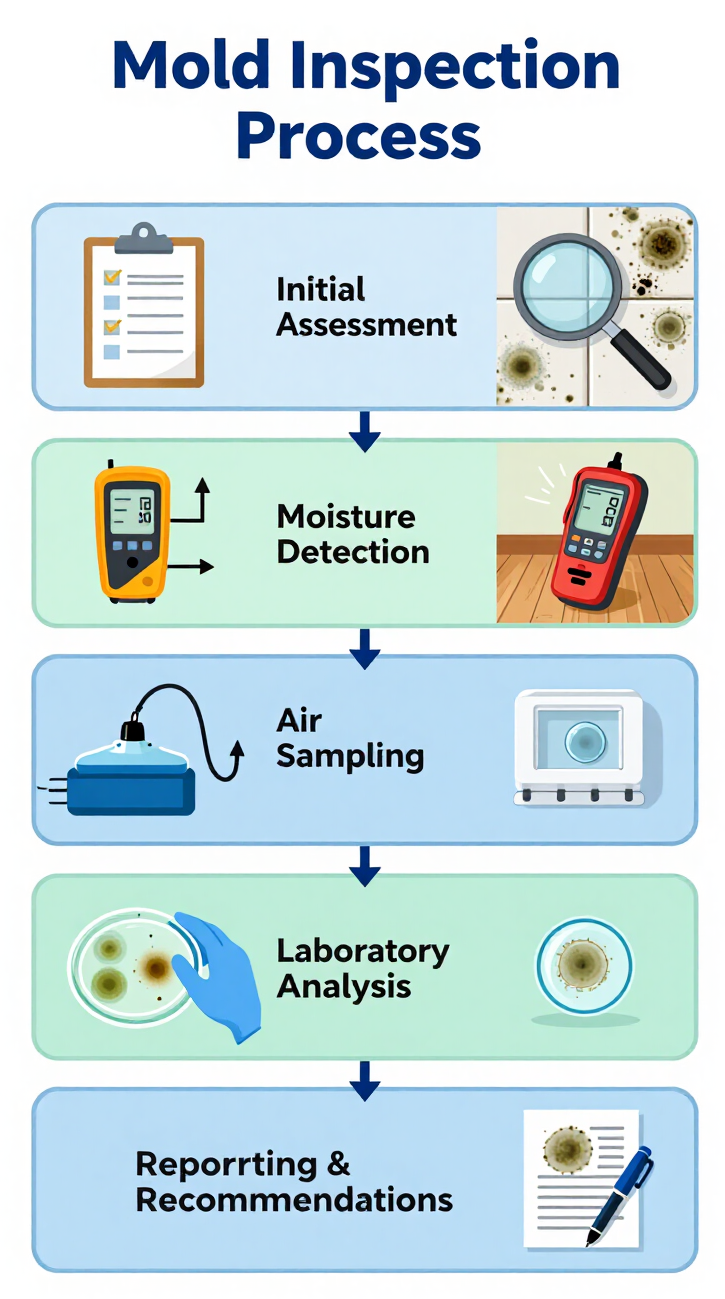
Engaging a professional for mold inspections is essential to pinpoint the sources of moisture and mold-related issues. Rather than relying on assumptions, a comprehensive inspection can accurately identify problem areas, record visible damage, and outline the necessary next steps.
Early detection is one of the best ways to reduce damage and avoid more costly repairs. If you suspect mold in your Charlotte property, Elite Team NC can help you take the next step with a professional inspection and clear guidance.
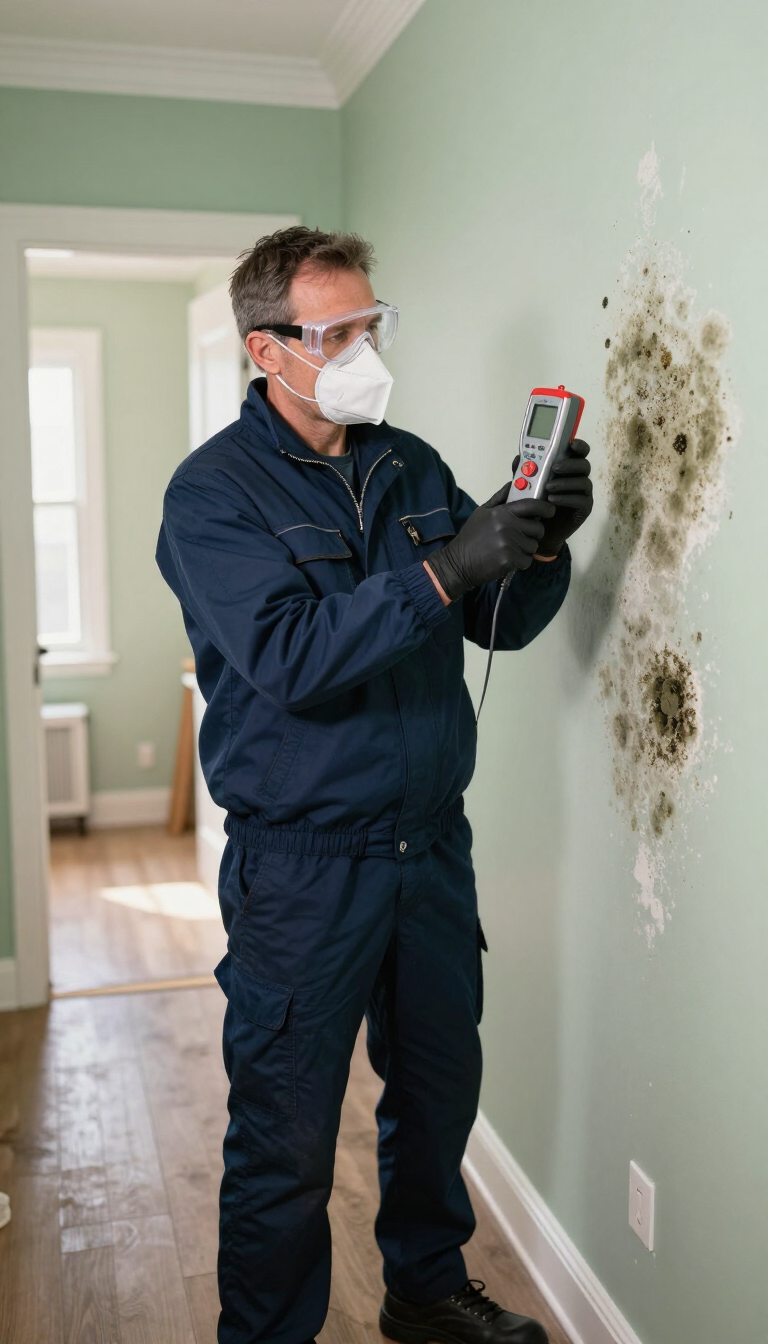
Indications That You Might Require a Mold Inspection!
Common Warning Signs Include:
- Musty odors
- Visible mold growth
- Water stains
- Recent water damage
- Condensation issues
- Allergy symptoms
- Respiratory irritation
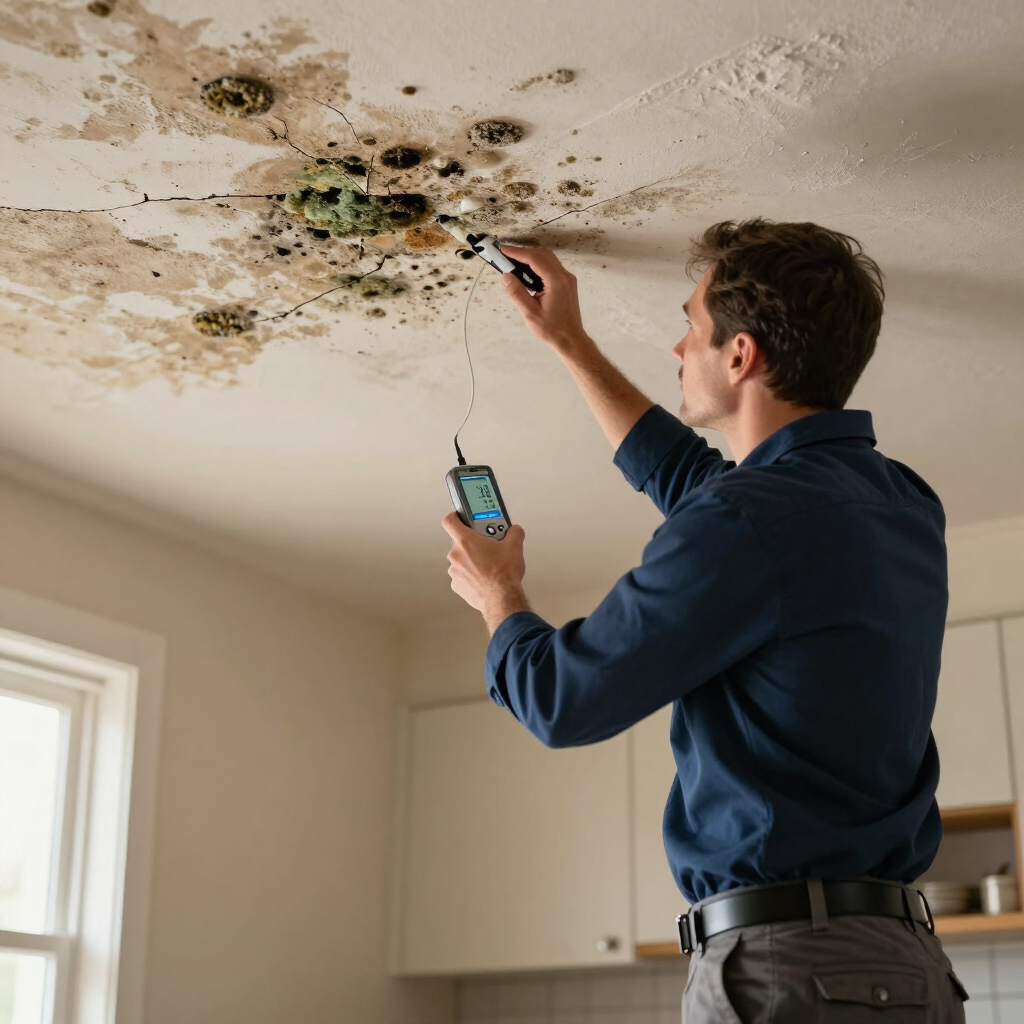
Signs You May Need a Mold Inspection in Charlotte
Mold is not easy to spot as it usually grows behind walls, under floor coverings, and in crawl spaces where there is moisture. Even though there might be mold in plain sight, the majority of times they are undetectable until they affect your property. Detecting them early will assist in tackling the moisture problems before things go out of hand.
Persistent earthy smell is one of the major symptoms of hidden mold. In case you have a musty smell even after cleaning your surroundings, there may be mold growing in concealed places. Mold is normally spotted as dark, green, brown, white or gray spots on the surfaces.
Water stains on ceilings or walls suggest prolonged moisture presence, often due to plumbing or roof leaks. If you've had recent water damage from leaks or flooding, a mold inspection is wise, as mold can start to grow within 24 to 48 hours if moisture isn’t fully removed.
Water can enter any building via leaks, flooding, or condensation. Our skilled technicians have an in-depth knowledge of building construction and water damage restoration, enabling us to identify and locate leaks without causing harm.
If not addressed promptly, excess moisture can result in mold growth and structural deterioration. Reach out to us at the first indication of water damage to reduce costs and safeguard your property.
Why is Moisture Detection Important?
What Causes Mold Growth?
Mold growth typically begins with an overabundance of moisture. When water or humidity lingers for extended periods, mold may start to develop on various surfaces such as drywall, wood, flooring, insulation, cabinets, and other construction materials. In numerous homes and businesses, the source of moisture isn't readily apparent, which is why concerns about mold often arise in hidden spaces like behind walls, beneath flooring, in crawl spaces, or in areas with inadequate ventilation.
One of the most common causes is a plumbing leak. Slow leaks under sinks, behind walls, around toilets, or near water supply lines can keep materials damp for days or weeks before anyone notices. Slab leaks can also create hidden moisture problems when water escapes beneath the concrete foundation and moves upward into flooring, baseboards, and walls.
Roof leaks are another major source of mold. Damaged shingles, worn flashing, storm damage, or small openings around vents can allow water into attics, ceilings, and wall cavities. Even a minor leak can lead to mold if the area stays wet.
Mold can also develop after flooding or water damage events. When carpets, drywall, trim, and framing absorb water, the affected materials need to be dried quickly and thoroughly. If moisture remains trapped, mold may begin to grow soon after.
Other common sources include HVAC moisture, such as condensation, clogged drain lines, dirty coils, or poorly insulated ductwork. Crawl space humidity can also contribute to mold when damp air, standing water, or ground moisture affects wood framing and insulation. In bathrooms, frequent steam, poor ventilation, and water around tubs, showers, toilets, and sinks can create the damp conditions mold needs.
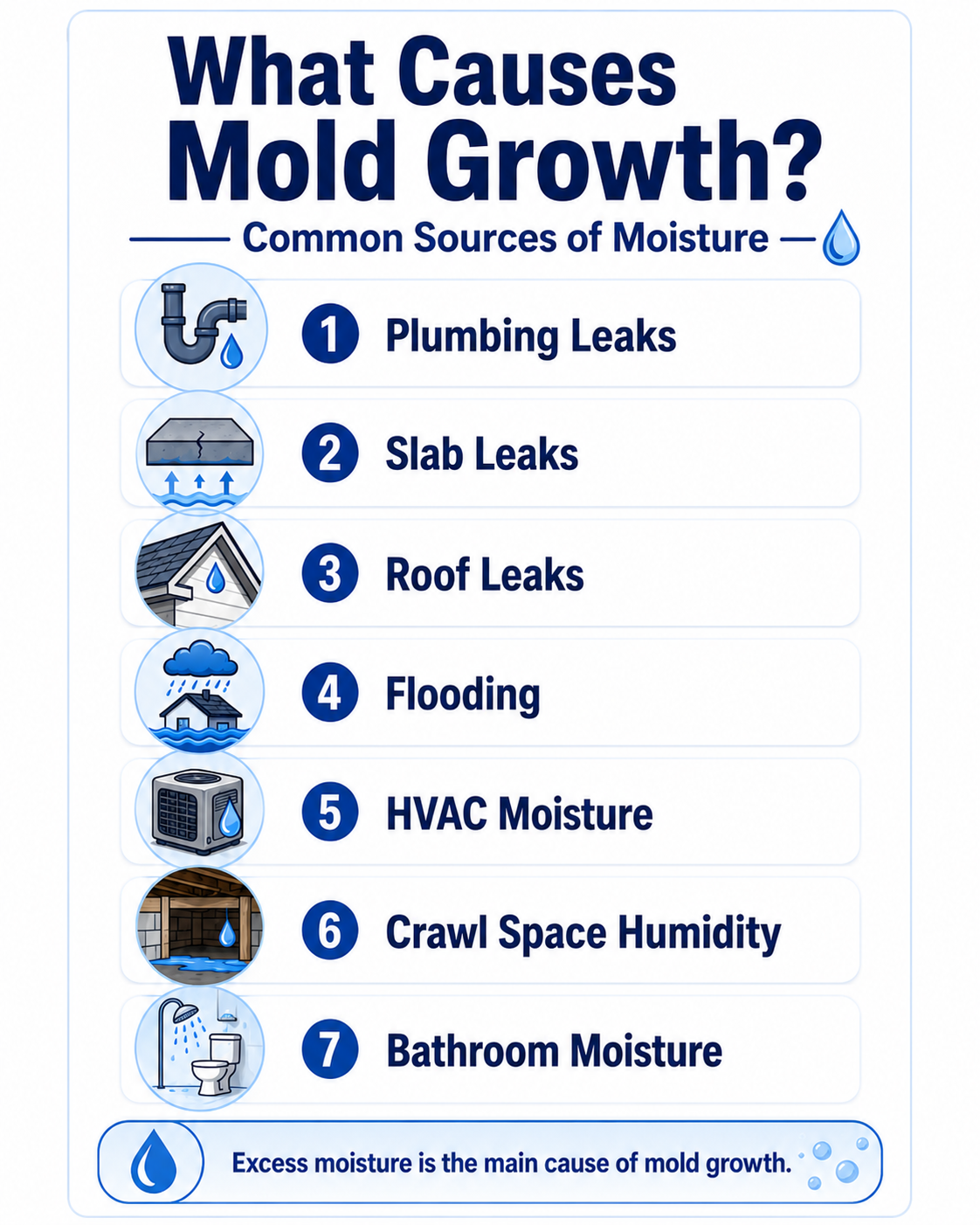
The most effective approach to mitigate the risk of mold is to promptly identify moisture issues, address the source, and ensure that all affected areas are thoroughly dried. Professional mold inspections play a crucial role in pinpointing the origins of moisture and mold problems.
A comprehensive inspection can identify issues, document damage, and outline necessary steps. Early detection helps minimize damage and avoid costly repairs. If you're concerned about mold in your Charlotte property, Elite Team NC can provide a professional inspection and guidance.
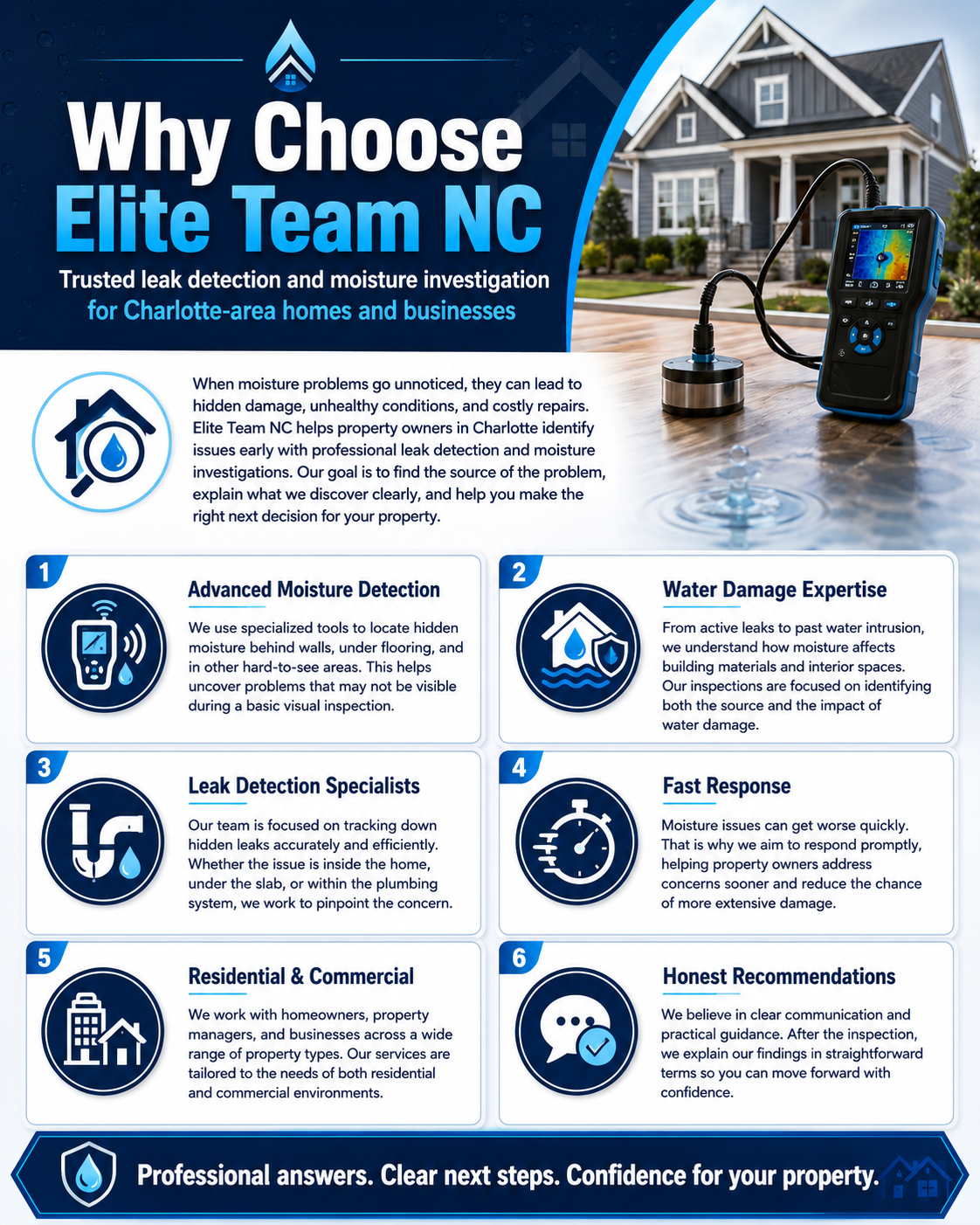
Elite Team NC caters to both residential and commercial properties, encompassing everything from homes to offices and retail locations, customizing inspections for each distinct category.
We place a strong emphasis on transparent advice. Following our inspections, we thoroughly communicate our discoveries and provide actionable recommendations. Our aim is to deliver straightforward answers, outline subsequent steps, and instill confidence as you proceed.
Why Choose Elite Team NC
When moisture issues remain undetected, they can result in concealed damage, detrimental health conditions, and expensive repairs. This is why property owners require a team that looks beyond merely identifying surface-level indicators. At Elite Team NC, we prioritize uncovering the root cause of the problem and assisting you in comprehending what is occurring within your property.
One reason customers choose us is our advanced moisture detection approach. Moisture problems are often hidden behind walls, under flooring, in ceilings, or around plumbing systems. We use specialized tools and inspection methods to help identify areas that may not be obvious during a basic visual check.
We also bring strong water damage expertise to every inspection. Moisture can affect drywall, wood, insulation, and other building materials in ways that are not always visible right away. Our goal is to identify both the cause of the issue and the areas that may have been impacted by ongoing moisture or past water intrusion.
As leak detection specialists, we work to locate hidden leaks accurately and efficiently. Whether the concern involves plumbing, slab leaks, roofing, or another source of water intrusion, we help pinpoint the problem so you can make informed decisions about the next step.
We recognize the need for a prompt response. Moisture issues can escalate quickly with ongoing leaks or untreated wet materials. Fast attention helps minimize damage and eases restoration.

Suspect a Leak? Don't Wait.
The longer you wait, the more damage occurs. Call now for same day detection.
Our company is dedicated to delivering exceptional leak detection services. Our selection of leak detectors tackles a wide array of leak-related issues. Whether you're facing water leaks, plumbing leaks, or the challenge of finding elusive leaks, we are here to assist you.
Why Homeowners Across Charlotte Choose Us
Areas We Commonly Inspect
Mold and moisture problems can develop in many different areas of a property, especially where water, humidity, poor ventilation, or hidden leaks are present. A professional mold inspection helps identify visible concerns, moisture patterns, and areas that may need further attention before the problem becomes more serious.
For residential properties, some of the most common inspection areas include attics, crawl spaces, bathrooms, kitchens, basements, and areas behind walls. In attics, mold concerns often develop because of roof leaks, poor ventilation, condensation, or insulation issues. Since attics are not checked every day, moisture problems can go unnoticed until staining, odors, or visible growth appear.
The crawl space is yet another hazardous environment. The moisture present in the ground, along with leaks in the plumbing system and accumulation of stagnant water in combination with lack of ventilation may lead to creation of humid atmosphere inside the crawlspace. Humid conditions inside the crawlspace may affect the condition of the wood framing, the insulation, and the air quality inside the entire building.
The kitchen and the bathroom are also locations where mold infestation could be a potential problem due to constant contact with water.
Basements may also be vulnerable due to foundation seepage, flooding, sump pump issues, or elevated humidity.
In some cases, mold may be hidden behind walls or under flooring. This is often connected to plumbing leaks, past water damage, roof leaks, or moisture intrusion that has not been fully dried.
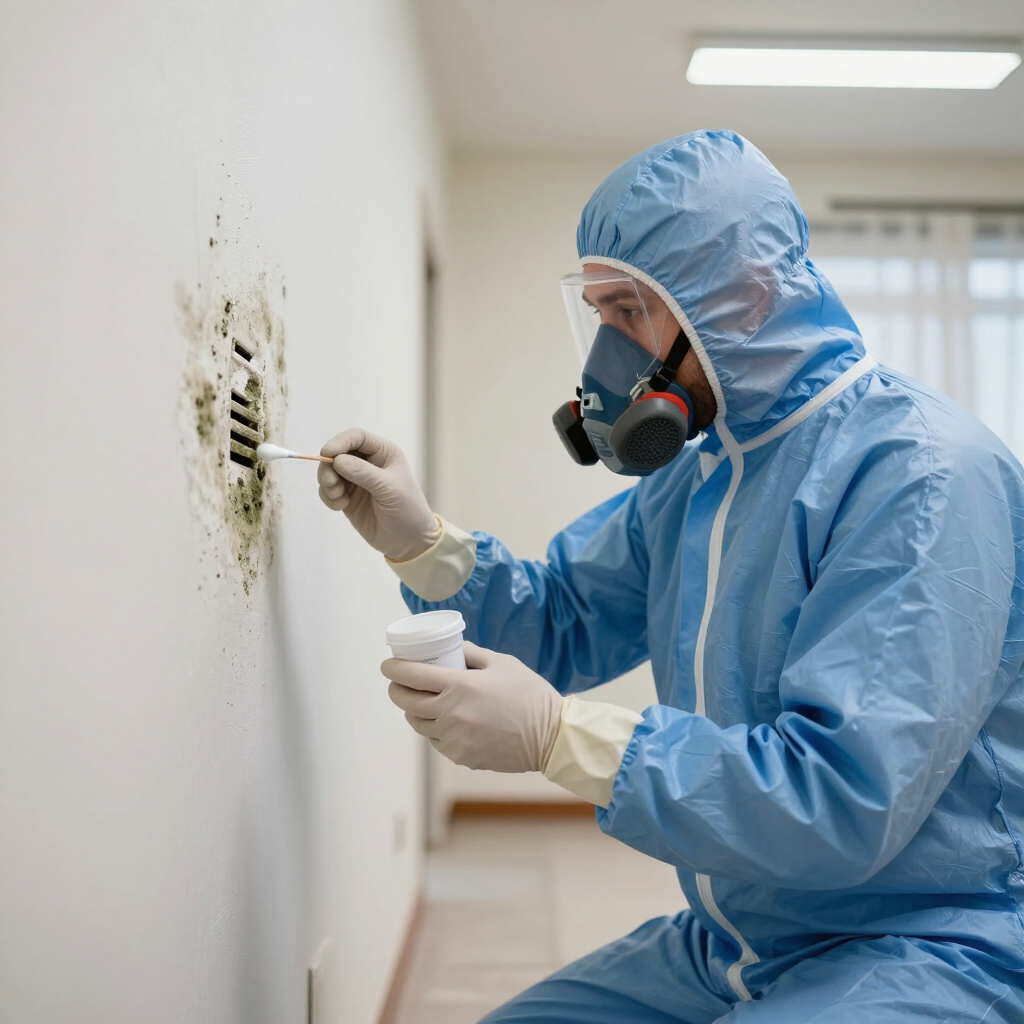
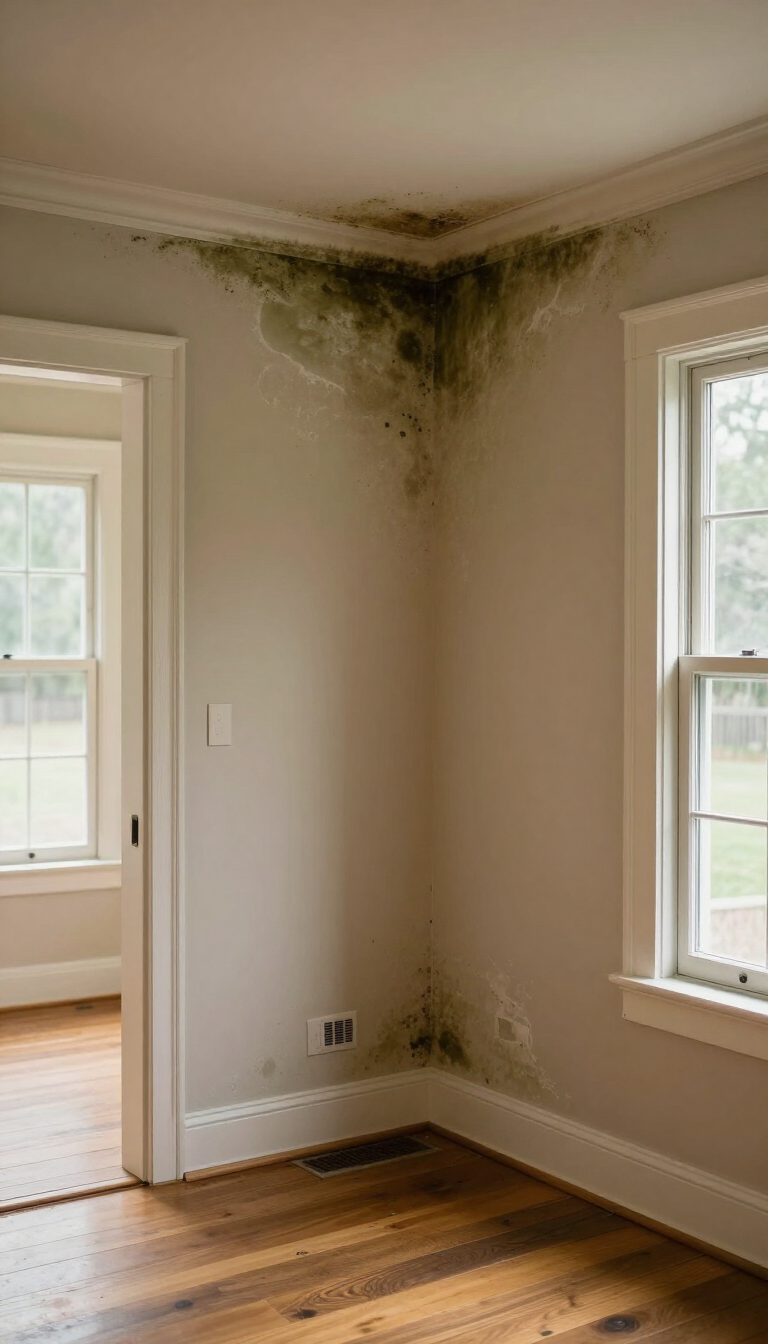
We also inspect a wide range of commercial properties, including offices, retail centers, apartments, warehouses, and HOA-managed properties. In commercial buildings, mold concerns may come from roof leaks, HVAC moisture, plumbing issues, shared walls, tenant improvements, or water intrusion around windows and exterior walls.
For apartments and HOA properties, an inspection might include both individual units and common areas. The warehouse and retail facility might have moisture problems at loading areas, restroom areas, ceiling areas, storage areas, or HVAC systems.
Regardless of whether the property is residential or commercial, conducting an early inspection can aid in identifying the source of the issue, documenting the impacted areas, and outlining a clearer course of action for the next steps.
Why Charlotte Homes Are Vulnerable to Mold
Charlotte's climate and environmental conditions contribute to mold growth being a frequent issue for both homeowners and business owners in the area. Although mold thrives on moisture, various local factors can create perfect conditions for concealed mold to flourish if water issues are not tackled swiftly. Recognizing these risks empowers property owners to take proactive measures to safeguard their homes and foster a healthier indoor environment.
One of the biggest contributors is Charlotte's high humidity. Warm, humid air is common throughout much of the year, especially during the spring and summer months. Excess humidity can create moisture buildup inside homes, particularly in bathrooms, laundry rooms, attics, and crawl spaces. Without proper ventilation and moisture control, these damp conditions provide the perfect environment for mold growth.
The area also experiences frequent heavy rainfall and seasonal storms. Intense rain can lead to roof leaks, foundation seepage, window leaks, and water intrusion around doors or exterior walls. Even small amounts of moisture that remain trapped inside building materials can allow mold to begin growing within 24 to 48 hours.
Many homes throughout the Charlotte area are built with crawl spaces, which are naturally more susceptible to moisture problems. Poor drainage, inadequate ventilation, plumbing leaks, and high ground humidity can all contribute to damp crawl spaces where mold can spread unnoticed. If left untreated, mold in these areas can eventually affect the rest of the home.
Aging plumbing systems are another common source of moisture. Older water supply lines, drain pipes, and plumbing fixtures may develop slow leaks inside walls, beneath sinks, or under flooring. Because these leaks often remain hidden, moisture can accumulate over time and create ideal conditions for mold growth before homeowners realize there is a problem.
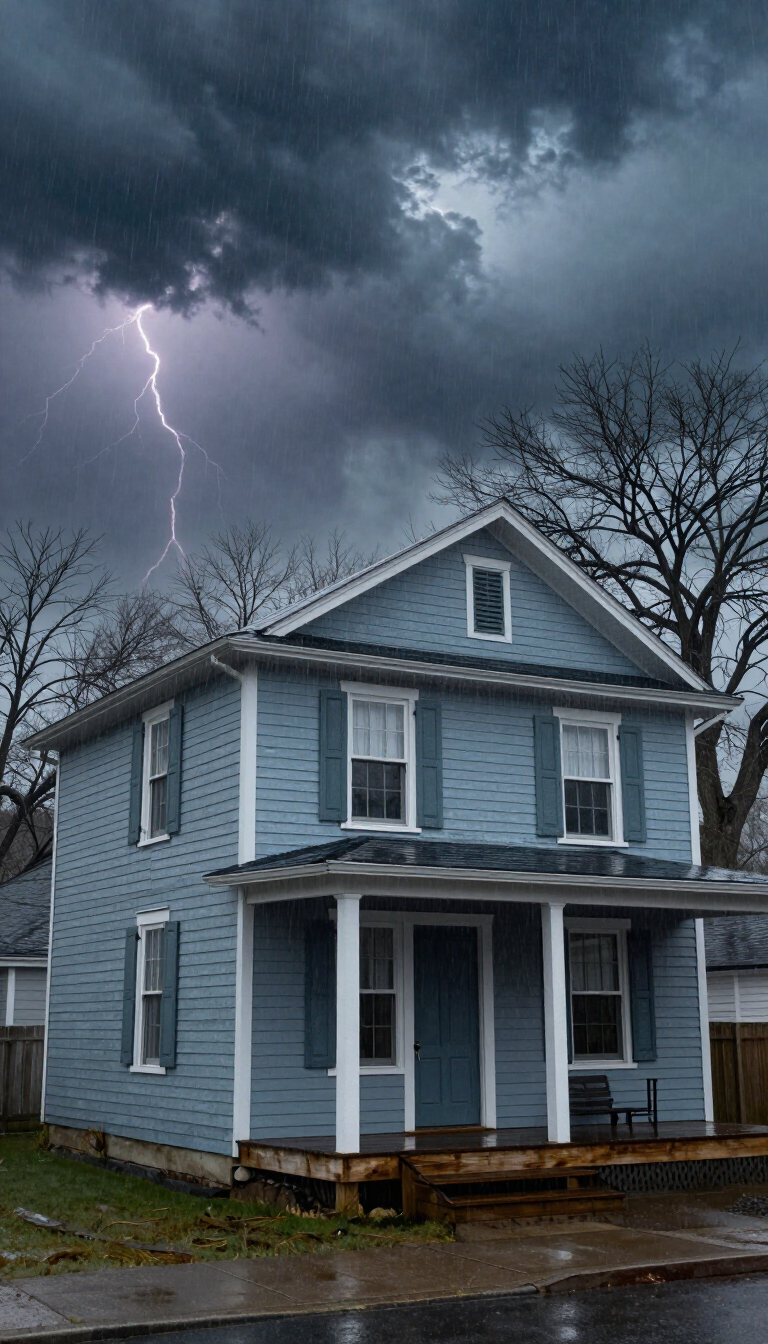
Water intrusion from burst pipes, slab leaks, overflowing appliances, or foundation cracks is one of the leading causes of mold throughout Charlotte. Even after visible water has been cleaned up, moisture can remain trapped behind drywall, under flooring, and inside insulation if professional drying is not completed.
Finally, Charlotte's changing seasons contribute to ongoing moisture challenges. Temperature fluctuations between warm, humid summers and cooler winters can create condensation on windows, pipes, HVAC systems, and other surfaces. When combined with elevated indoor humidity, this condensation provides another source of moisture that can support mold growth.
At Elite Team NC, we recognize the specific local factors that lead to mold issues throughout the Charlotte region. Our expert mold inspection and remediation services are tailored to uncover hidden moisture, pinpoint mold growth, and tackle the root causes, enabling property owners to safeguard their homes, businesses, and long-term investments more effectively.
Can mold come back after removal?
Yes, mold can return if the underlying moisture problem is not corrected. Professional mold remediation removes existing mold, but it's equally important to address the source of moisture, such as plumbing leaks, roof leaks, poor ventilation, or water damage. At Elite Team NC, we focus on identifying and resolving moisture issues to help reduce the risk of future mold growth.
How long does mold remediation take?
The length of a mold remediation project depends on the size of the affected area, the extent of the contamination, and the materials involved. Smaller projects may be completed within one to two days, while larger or more extensive remediation jobs can take several days. After evaluating your property, our team will provide a timeline based on your specific situation.
Is mold removal covered by insurance?
Insurance coverage varies depending on the cause of the mold. If mold develops as the result of a sudden and accidental event that is covered by your homeowner's insurance, such as a burst pipe, some or all of the remediation costs may be covered. Mold caused by long-term leaks, deferred maintenance, or ongoing moisture issues is often excluded. We recommend reviewing your policy and speaking with your insurance provider to understand your coverage.
Can mold spread through a house?
Yes. Mold reproduces by releasing microscopic spores into the air. These spores can travel throughout a home or business and settle in other damp areas where new mold colonies may develop. Prompt remediation and proper containment help prevent mold from spreading to unaffected areas of the property.
Do you remove mold from crawl spaces?
Yes. Crawl spaces are one of the most common areas for mold growth due to elevated humidity, poor ventilation, plumbing leaks, and moisture intrusion. Our team provides professional mold remediation for crawl spaces while also identifying and addressing the moisture conditions that contributed to the problem.
What causes mold after water damage?
Mold develops when moisture remains on building materials for an extended period. Water from burst pipes, slab leaks, roof leaks, flooding, appliance failures, or sewage backups can create the damp conditions mold needs to grow. In many cases, mold can begin developing within 24 to 48 hours if affected materials are not properly dried.
Do you provide commercial mold remediation?
Absolutely. Elite Team NC provides commercial mold remediation services for office buildings, retail centers, apartment complexes, healthcare facilities, schools, industrial buildings, HOA communities, and other commercial properties. We work efficiently to minimize disruptions while restoring a safe environment for employees, tenants, and customers.
How do I know if mold has been completely removed?
Professional mold remediation focuses on removing mold-contaminated materials, cleaning affected surfaces, and eliminating the moisture source that allowed mold to grow. After remediation, the affected areas should be clean, dry, and free of visible mold and persistent musty odors. Depending on the project and customer requirements, post-remediation verification or independent mold testing may also be recommended to confirm the remediation was successful.
Can water damage lead to mold growth?
Absolutely. Mold can begin developing within 24 to 48 hours when moisture is present. Prompt water removal, structural drying, and moisture control are critical to reducing the risk of mold growth and protecting the health of your property and occupants.